An alcohol intolerance is commonly mistaken for an alcohol allergy and is often misdiagnosed. If your body is unable to remove acetaldehyde from the body, symptoms like congestion, flushing, headaches, and more can persist. But not many people realize that there are many ingredients, additives, and preservatives within alcoholic beverages that can cause negative side effects.
Tips for Avoiding a Stuffy Nose When Enjoying Red Wine
- This increased blood flow can cause swelling of the nasal tissues, leading to congestion.
- Histamine-induced reactions occur when an individual is sensitive to histamines naturally found in wine.
- With the right balance, a winemaker can create a delicious and complex flavor profile that will surprise and delight even the most discriminating taster.
- The thickened mucus and inflamed blood vessels lead to nasal congestion and discomfort.
Alcohol allergy is an immune system response — your immune system overreacts to an ingredient in alcohol. You may be allergic to one of the substances in alcohol (a chemical, grain or preservative, https://www.mygameboost.com/blog/your-complete-guide-for-bookkeeping-outsourcing-in/ such as sulfite). While it is recommended to avoid alcohol when you are congested, there is a belief that alcohol can act as a decongestant.
Is it only red wine that can cause nasal congestion?
Dr. Tina M. St. John owns and operates a health communications and consulting firm. She is also an accomplished medical writer and editor, and was formerly a senior medical officer with the U.S.
What is the difference between drinking wine and other beverages with alcohol?
In this article, we will explore the reasons behind why wine can make you congested and address some related frequently asked questions. Drinking plenty of water and staying hydrated can help alleviate a stuffy nose caused by drinking. Additionally, using a saline nasal spray or taking a hot shower to inhale steam can also provide relief. It is generally recommended that you avoid drinking alcohol if you are suffering from any kind of sinus infection or similar condition.
How common is it to experience a stuffy nose after consuming beer?
Yes, individuals who are sensitive or allergic to histamine, have asthma, or suffer from other respiratory conditions may be more prone to experiencing congestion after consuming wine. Red wine is more likely to cause congestion than white wine because it has higher levels of histamine. Additionally, red wine is often aged for longer periods, which can further increase histamine content. No, other alcoholic beverages, such as beer and champagne, can also contain histamine and cause congestion. If you’ve ever had the experience of enjoying a glass of wine, only to find yourself congested shortly after, you may be wondering why this happens. Wine-induced congestion is a common occurrence, and there are several factors that can contribute to this phenomenon.
It is always best to seek medical attention if any of these symptoms present themselves after consuming alcohol. Sulfites are produced naturally in wine during the fermentation process by the yeast. Some people are allergic to sulfites and may experience symptoms such as hives, wheezing, and difficulty breathing after drinking wine that contains them. These studies suggest that there is a strong link between alcohol and allergy symptoms. If you suffer from allergies, it is important to be aware of this link and to avoid alcoholic drinks if possible. If you do drink alcohol, be sure to monitor your symptoms closely and seek medical help if necessary.
Recognizing the cause and mechanism behind each condition allows for better decision-making when consuming alcoholic beverages. However, with an allergy, the immune system reacts, causing more serious and potentially harmful symptoms including swelling, breathing problems, or intense skin irritation. Allergic responses tend to be more severe and distressing compared to the milder but still unpleasant effects of alcohol intolerance. Chemical additives, stuffy nose after drinking wine including artificial colors or stabilizers, further irritate the system and contribute to discomfort.
Table of content
Histamines are chemicals released by the immune system in response to an allergen. They are also naturally present in many alcoholic beverages, especially wine and beer. Histamines are known to cause the constriction and swelling of blood vessels, which can result in nasal congestion. The histamine causes the blood cells in the nasal region to dilate, resulting in mucus, nasal congestion, sneezing, and a runny nose.

Can Red Wine Cause Rhinitis?
In severe cases, prolonged sickness after drinking indicates a stronger sensitivity to alcohol’s toxic effects. The symptoms of alcohol intolerance indicate alcohol sensitivity, and are triggered shortly after consuming alcohol. Alcohol intolerance is considerably more common than an actual alcohol allergy. According to results from a 2012 survey by Wigand et al., titled “Prevalence of Wine Intolerance,” wine intolerance was reported by 7.2% of participants (68 out of 948). Intolerance for beer and alcohol in general was linked to wine intolerance as well. Women were more likely than men to indicate an intolerance to wine (8.9% vs. 5.2%).
Alcohol
- The causes of alcohol intolerance are sulfites or other preservatives, chemicals, grains, or other components, and histamine.
- Egg whites and gelatin are two of the most commonly used filtration agents due to their ability to absorb proteins and reduce astringency.
When I drink alcohol there is a magic sweet spot where my nose gets very stuffy feeling and I sound stuffy while talking. It is clearly inflammation as blowing my nose results in no production and nasal spray such as Afrin alleviates it. Simple grape allergies are less common than sulfite or glycoprotein allergies, but they can still cause symptoms such as itching, swelling, and difficulty breathing. People with simple grape allergies may also be allergic to other fruits and vegetables.
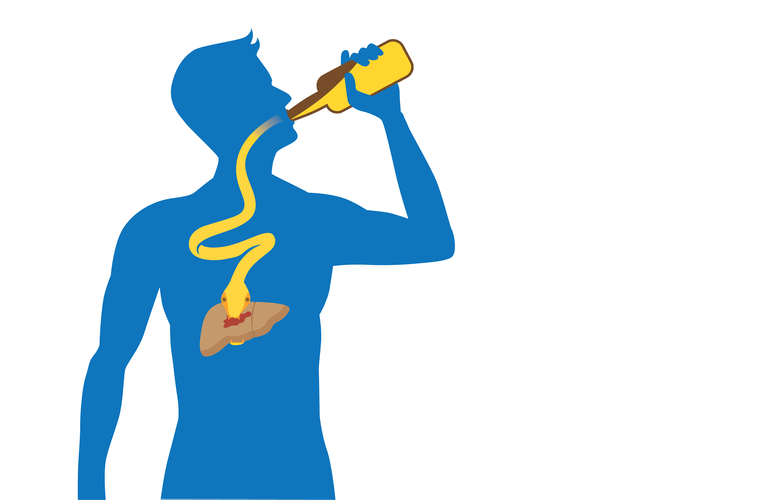
If you consistently experience severe or prolonged nasal congestion after consuming alcohol, Twelve-step program it’s advisable to consult a healthcare professional. They can evaluate your symptoms, provide appropriate guidance, and rule out any underlying conditions contributing to the congestion. Apart from histamines, sulfites are another common component found in alcohol that can contribute to nasal congestion. Some individuals are sensitive or allergic to sulfites, which may cause nasal inflammation and congestion.
- Common symptoms of an alcohol allergy include sneezing, congestion, and itchy eyes.
- In some cases, reactions can be triggered by an allergy to a grain such as corn, wheat, or rye or to another substance contained in alcoholic beverages.
- It’s common for patients to come in describing symptoms or reactions to drinking alcohol that they only just developed, Factor said.
- But it’s not just about identifying what our bodies can’t handle — it’s a fresh perspective on understanding our unique constitutions.
Furthermore, it is important for winemakers to be aware of their own practices and processes in order to avoid introducing too much histamine into the wine during production. Knowing the potential risk posed by histamines will help ensure that the wine is safe and enjoyable for everyone to consume. Wine allergy symptoms can range from mild to severe, and in extreme cases may even lead to anaphylaxis. If you think you might be allergic to wine, it is important that you seek medical attention right away.