
Serotonin is an important brain chemical that acts as a neurotransmitter to communicate information among nerve cells. Serotonin’s actions have been linked to alcohol’s effects on the brain and to alcohol abuse. Alcoholics and experimental animals that consume large quantities of alcohol show evidence of differences in brain serotonin levels compared with nonalcoholics. Both short- and long-term alcohol exposure also affect the serotonin receptors that convert the chemical signal produced by serotonin into functional changes in the signal-receiving cell.
And if you have one too many alcoholic drinks, you may start to slur your speech and have trouble walking in a straight line — and that’s all before dealing with a hangover the next day. Our residential addiction treatment program in Fond du Lac, Wisconsin can help you or someone you love overcome addiction. Although neurons communicate with one another chemically, signals travel through a neuron in the form of an electric current.
- Consequently, dopamine acts at multiple sites to control the integration of biologically relevant information that determines motivated responding.
- As previously noted, long-term alcohol use may lead to a decrease in GABAA receptor function.
- Alternatively, the serotonin metabolite levels in alcoholics could be reduced, because less serotonin is broken down in the brain.
Influence of alcohol consumption on the dopaminergic system
As previously stated, drinking alcohol increases dopamine levels, and if done frequently, the brain adapts. Alcohol reduces glutamate excitotoxicity (VTA); enhances GABA inhibitory activity (VTA) and enhances dopamine release from the VTA to NA by disinhibiting GABA via endogenous opioids. The release of dopamine mediates alcohol’s pleasurable and reinforcing actions. The amount of time it takes for the brain to recover and dopamine levels to normalize varies from person to person. On average, it takes about 90 days for most people to experience a return to normal dopamine levels.
Hyperactive Dopamine Response to Alcohol: Explained
In addition, an indirect mechanism for acetaldehyde facilitation of release could be the ability of acetaldehyde and DA to directly react to form the product salsolinol (Myers, 1985). Of note, salsolinol has been shown to support self-administration when delivered directly into the posterior VTA (Rodd et al., 2008). The ability of salsolinol to promote DA release and drinking is controversial, however, possibly due to difficulties in measuring brain concentrations of the compound. Newer methods of measurement will likely yield future pharmacological studies that will clarify its role in promoting drinking and the mechanisms which mediate its effects (Hipólito, Sánchez-Catalán, Martí-Prats, Granero, & Polache, 2012). Another method is cognitive behavioral therapy (CBT) for addiction, which aims to help individuals rewire their brain’s reward system by promoting healthy activities that naturally increase dopamine levels. This can include exercise, social interaction, and other pleasurable activities that do not involve drugs.
Dopamine Production and Distribution in the Brain
The orbital frontal cortex mediates behavioral flexibility and valuation of reinforcers to promote formation of strategies aimed at maximizing reward magnitude. Dopamine afferents project to each of these cortical regions with a larger percentage of projection neurons targeting the deeper layers in addition to relatively less dense innervation to superficial layers. In addition, DA receptors are expressed on both excitatory and inhibitory neurons and can significantly modulate synchronization of network activity as well as overall activation and synaptic responses in both cell types. In addition to its effects on intrinsic excitability, acute ethanol can also modulate GABAergic transmission and disinhibit DA neurons in the VTA.
- Serotonin is a neurotransmitter that acts as a chemical messenger in the brain, influencing various brain functions such as learning, memory, perception, and mood states.
- Drugs that act on these receptors alter alcohol consumption in both humans and animals.
The Cycle of Alcohol and Dopamine
For example, the dopamine receptor D2 (DRD2) gene codes for a receptor of dopamine, a neurotransmitter that influences the brain’s reward mechanism and the development and relapse of alcohol addiction. Understanding the profound impact of alcohol on dopamine and the brain’s reward system Halfway house underscores the importance of seeking professional help when facing alcohol dependence. At Boardwalk Recovery Center, we recognize the challenges of addiction and are committed to guiding you toward a healthier, fulfilling life. In a healthy functioning brain, only a certain amount of dopamine is released, and they rarely fill all of the dopamine receptors that are available.

Reinforcement is a key phenomenon in the development of addiction to alcohol and other drugs. Positive reinforcement is the process by which an action that results in pleasure, or reward, becomes repetitive. Many people find the mental effects of alcohol consumption (e.g., euphoria) rewarding; this effect may lead to positive reinforcement and persistent alcohol-seeking behavior.
Alcohol use disorder (AUD) often coexists with mental health disorders such as anxiety, depression, and bipolar disorder. The disruption of dopamine regulation plays a key role in these conditions, as alcohol-dependent individuals are more prone to emotional instability and mood disturbances. Dopamine deficiency plays a significant role in the symptoms of alcohol withdrawal, such as anxiety, irritability, and depression. As the brain struggles to regain normal dopamine function after prolonged alcohol and dopamine alcohol use, cravings for alcohol intensify, making relapse more likely for individuals in recovery. While drinking initially boosts a person’s dopamine levels, the brain adapts to the dopamine overload with continued alcohol use. It produces less of the neurotransmitter, reducing the number of dopamine receptors in the body and increasing dopamine transporters, which carry away the excess dopamine.
Mindfulness and Behavioral Changes
Alcohol interferes with the brain’s communication pathways, disrupting the delicate equilibrium of our neurological functions. We experience feelings of happiness as a result of this dopamine spike, and we revel in the feeling of exhilaration, the laughter, and the apparent ease of stress and anxiety. Alcohol and mental health issues such as depression and anxiety have a bidirectional relationship, each can contribute to the other.
Alcohol-induced alterations in dopamine modulation of prefrontal activity
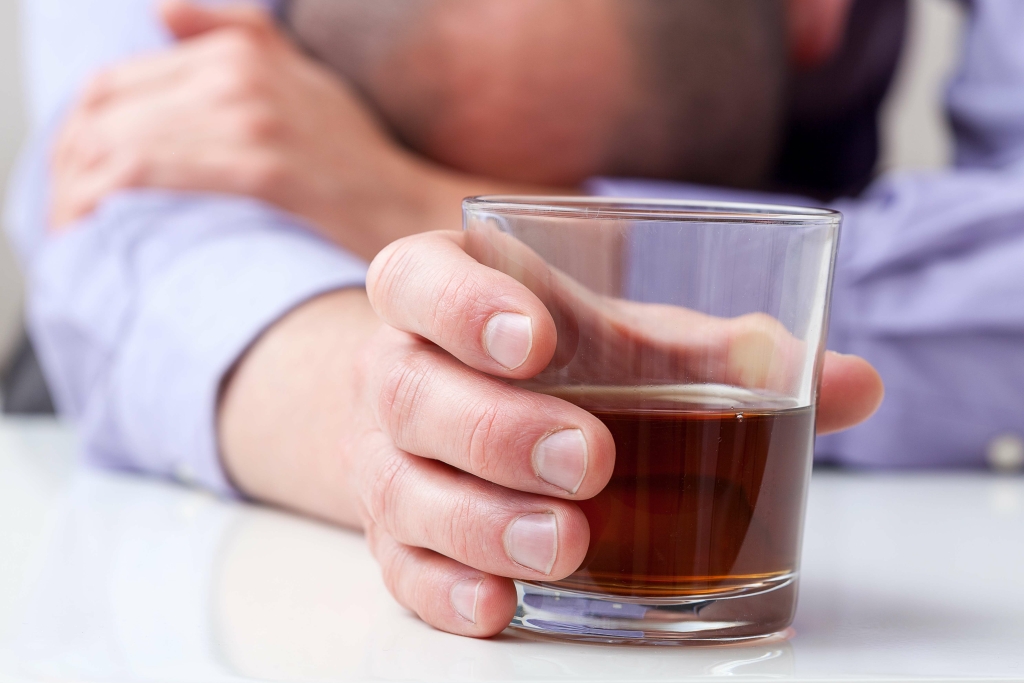
Chronic alcohol consumption damages the brain’s ability to produce and regulate dopamine. Over time, the brain becomes less responsive to natural dopamine production, leading to a decreased ability to feel pleasure without alcohol. This can make long-term alcohol users more prone to depression and other mood disorders. As we’ve explored throughout this article, the relationship between alcohol and dopamine is far from simple.
It’s a full package designed specifically to adapt to your goals, and help you reach them gradually, so you can make a huge impact on your health and wellbeing. Sunnyside is a mindful drinking and alcohol moderation app that can help change your habits around alcohol using a proven, science-backed method. Whether you want to become a more mindful drinker, drink less, or eventually quit drinking, Sunnyside can help you reach your goals.
These therapies are designed to target specific aspects of addiction, such as the role of dopamine in reinforcing addictive behaviors and the complex relationship between mental health issues and substance abuse. Moreover, chronic drug use has been shown to directly affect dopamine receptors in the brain. These receptors become desensitized over time, requiring higher doses of drugs to achieve the same level of pleasurable effects.